South Koreans Are Flocking to Chinese AI Chips: Who Is Reshaping the Global Chip Landscape?
South Korean investors have net purchased nearly $20 million in Cambricon over the past month. This anomaly reflects China's AI chip breakthroughs, a reshaping global landscape, and deep geopolitical-economic games. How does this 'chip undercurrent' affect ordinary people?
Hook
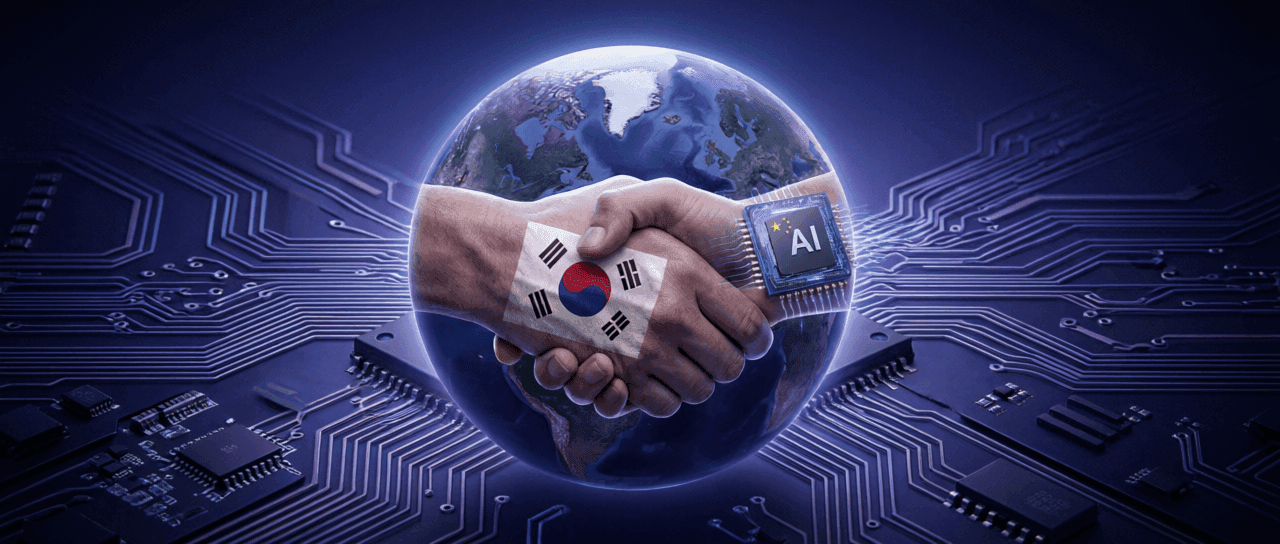
South Korea, home to semiconductor giants Samsung and SK Hynix, is frantically buying shares of Chinese AI chip companies. Cambricon, a Chinese AI chip firm you might not be familiar with, attracted nearly $20 million in net purchases from South Korean funds in the past month. When citizens of the "memory chip king" start betting on Chinese hard tech, it's not just about investment preferences—it's a "power shift" in the global AI chip landscape.
Core Facts
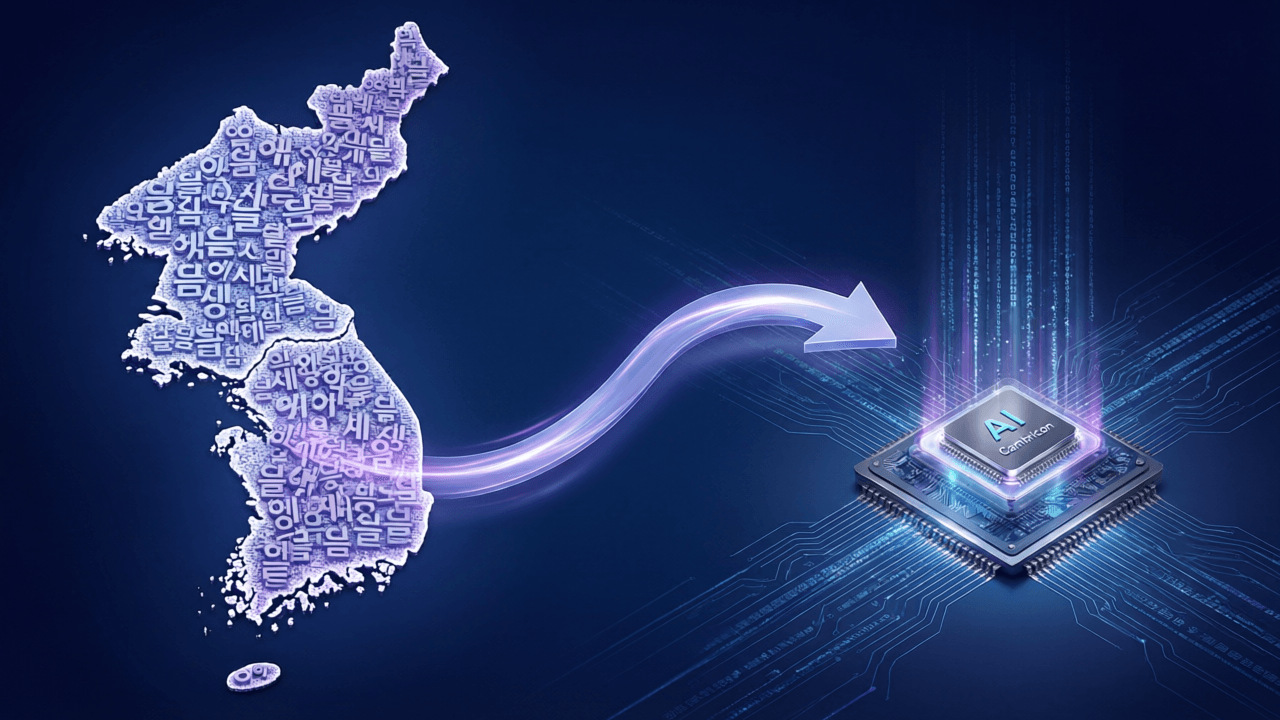
According to recent public data, South Korean investors are continuously increasing their holdings in Chinese hard-tech assets. Over the past month, Cambricon, Megmeet, China AMC Robot ETF, and CATL became the most favored A-share targets among South Korean investors, with AI chip leader Cambricon receiving nearly $20 million in net purchases. Additionally, several overseas-listed Chinese tech ETFs have seen significant net inflows. Many foreign institutions believe that China's tech sector offers both high growth potential and valuation advantages, with geopolitical risk premiums being repriced.
Plain-English Breakdown
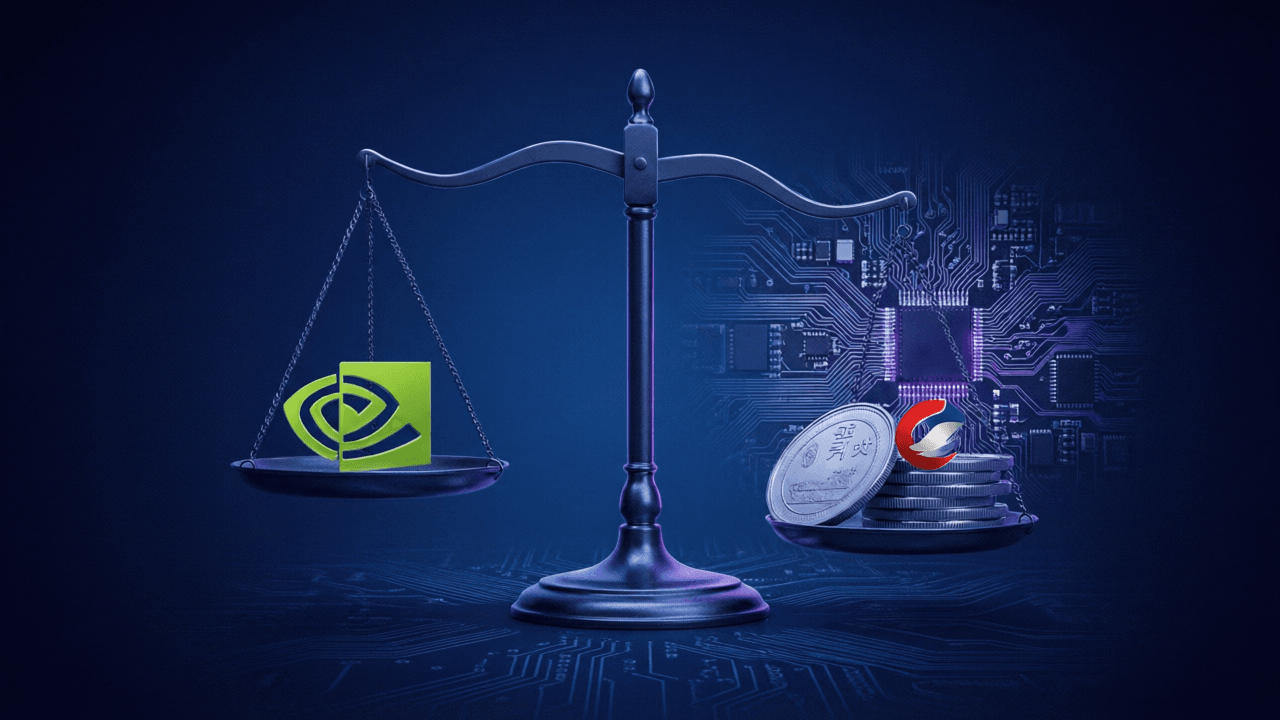
Think of the global AI chip market as a martial arts world: NVIDIA has always been the grandmaster wielding the "CUDA manual," controlling 90% of the training chip market. Chinese players like Cambricon are striving to create their own "Cambricon Instruction Set Architecture" martial art, aiming to carve out a share in niches like AI inference and edge computing. South Korea, traditionally a school specializing in "memory chip external skills," is now buying shares of Chinese martial arts newcomers—essentially acknowledging that the future won't have just one grandmaster.
Global AI Chip Landscape Snapshot:
| Dimension | NVIDIA (US) | Cambricon (CN) | Samsung/SK (KR) |
|---|---|---|---|
| Core Strength | High-performance training + CUDA ecosystem | Intelligent processor IP + inference chips | Memory chips (HBM/DDR) |
| Market Share | Training >90% | Inference <5% but fast growing | Memory >70% (HBM) |
| South Korean Investor Sentiment | Reducing holdings | Increasing holdings | Domestic stocks flat |
Impact by Group
- Workers: Demand for chip design and AI algorithm roles will continue to diverge—mastering domestic chip architectures (e.g., Cambricon MLU) may become a new plus, but short-term salaries still lag behind the NVIDIA ecosystem.
- Students: When choosing majors, computer architecture and domestic chip ecosystems are worth attention, but understanding international standards (e.g., CUDA) remains mainstream for employment.
- Creators: AI drawing and video generation tools rely more on inference chips; progress in Chinese chips could lower cloud costs, but the experience gap persists in the short term.
- General Users: Future AI phones, autonomous driving, and other devices may become more price-competitive if domestic AI chips are adopted, but performance ceilings need time to catch up.
Neutral Pros, Cons & Pitfalls
Pros: Chinese AI chips' inference energy efficiency (e.g., Cambricon Siyuan 590) is already close to 70% of NVIDIA A100, with custom optimizations for the Chinese market (e.g., Chinese LLM acceleration). South Korean capital inflows provide valuable "development fuel" for domestic chips.
Cons & Risks:
- Ecosystem gap: Cambricon's software stack "Neuware" has far fewer users than CUDA, making developer migration costly.
- Geopolitical risk: US export controls could escalate anytime, with high supply chain uncertainty.
- Investment pitfalls: Don't blindly follow the "domestic substitution" hype; focus on revenue sustainability (Cambricon still operating at a loss). Chip industry is a long-cycle track with high short-term speculation risk.
Mild Humanistic Touch
Tech investment is never just financial calculation—it's a "vote of confidence." South Korean capital moving east is superficially about arbitrage, but at a deeper level, it signals the global supply chain beginning to accept "decentralization." NVIDIA's monopoly won't collapse overnight, but the existence of Cambricon and others at least shows the world that the "silicon civilization" of AI doesn't have to speak only one language.
Light Engagement Question
Do you think Chinese AI chips can break NVIDIA's monopoly in the training market within five years? Share your thoughts in the comments.