Domestic Substitution Window for Ultrafast Laser Equipment: New Opportunities in Advanced Packaging from Huatai Research Report
The surge in AI computing chip demand is driving packaging materials to shift toward hard and brittle materials like glass and ceramics. Ultrafast lasers, with their "cold processing" capability, have become a key tool, opening a window for domestic equipment manufacturers.

Read in 3 Seconds: Why Your Phone Chip Is Getting "Brittle" and How This Cold Light Saves It
As AI large models devour computing power, advanced packaging has become a bottleneck for chip performance. Traditional packaging materials are in short supply, and new materials like glass and ceramics, due to their high hardness and fragility, pose processing challenges for manufacturers—until ultrafast lasers emerged. Huatai Securities' latest report points out that the window for domestic substitution has arrived, and this "cold light" is becoming the biggest variable in precision machining.
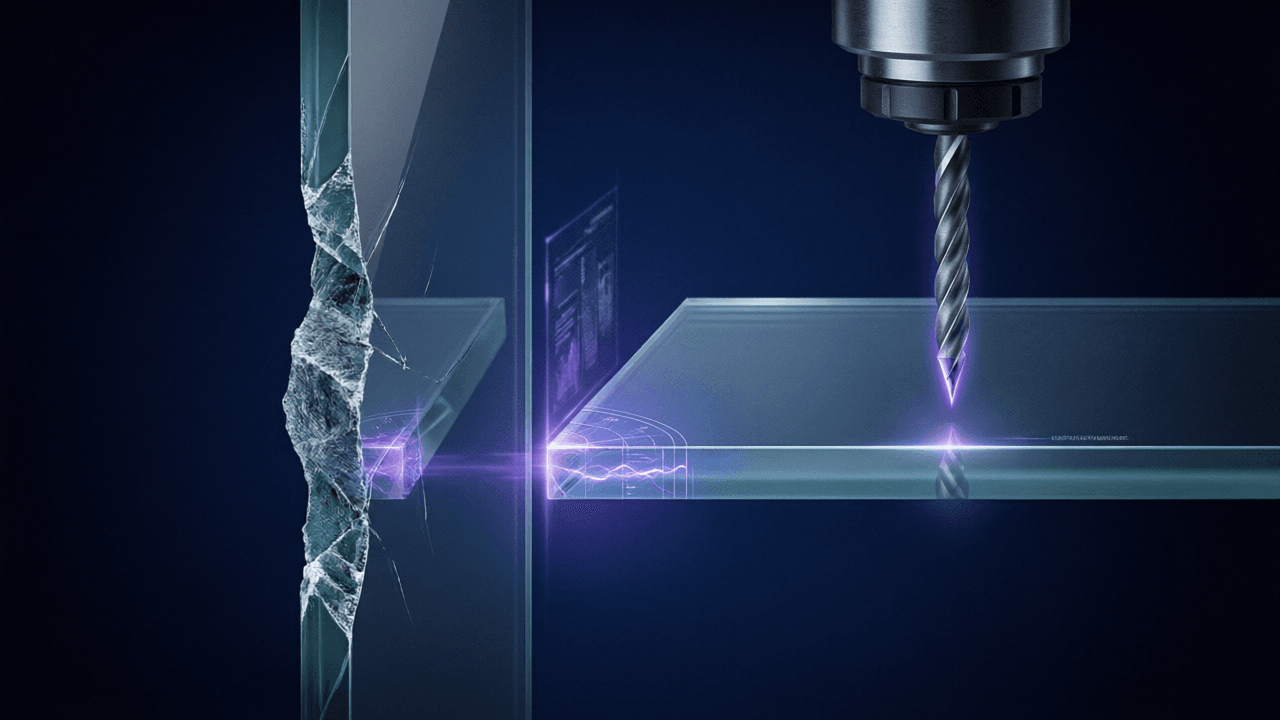
Key Facts: AI Computing Demand Triggers Packaging Material Shift, Ultrafast Laser Becomes a Necessity
According to Huatai Securities' report, the rapid growth in AI computing chip demand and the shortage of existing packaging materials are accelerating the transition of advanced packaging materials to glass, ceramics, M8/M9-level PCBs, and other new materials. These materials are all hard, brittle, or ultra-high hardness systems, where traditional mechanical drilling, wet etching, and conventional laser processing are ineffective. Ultrafast lasers, with their "cold processing" characteristics (extremely short pulse width, minimal heat-affected zone), have become the solution for precision machining. The window for domestic substitution has opened, and equipment manufacturers with product capabilities will benefit first.
Simple Breakdown: How Ultrafast Laser "Cold Processes" Tough Materials
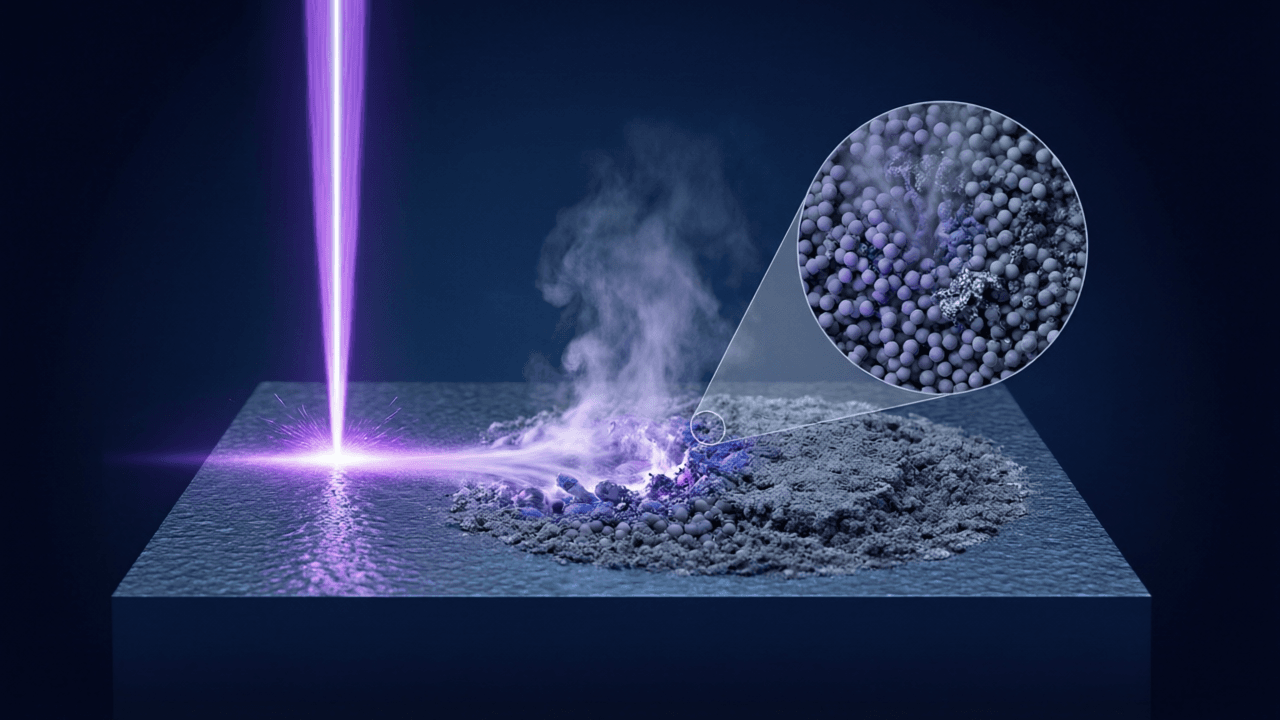
Think of it this way: traditional lasers are like using a blowtorch to melt ice—the surface melts but the inside cracks; ultrafast lasers are like using a microscopic ice pick to knock off a single atom in an instant—pulse duration is only a few femtoseconds (1 fs = 10⁻¹⁵ seconds). The material vaporizes before heat can transfer, leaving the surrounding area at room temperature. It's like using a scalpel instead of a soldering iron.
| Processing Method | Suitable Materials | Edge Quality | Heat Affected Zone | Processing Speed |
|---|---|---|---|---|
| Mechanical drilling | Soft materials | Prone to chipping | None | Fast |
| Conventional laser | Metals, etc. | Has recast layer | Large | Medium |
| Ultrafast laser | Glass, ceramics, PCB | No microcracks | Extremely small | Relatively fast |
Impact by Audience: Who Should Pay Attention to This "Cold Light"?
- Professionals (semiconductor/equipment industry): Benefit the most. If domestic ultrafast laser equipment breaks through, it will drive demand for precision machining, optical design, motion control, and other positions, but be cautious of companies hyping stock prices on concepts.
- Students (materials, optics, electronics): Research directions can tilt toward interaction of ultrashort pulse lasers with hard and brittle materials, with future employment aligned with chip packaging equipment manufacturers, laser suppliers.
- Content creators (tech media, analysts): In-depth reports can focus on domestic substitution supply chain lists, mass production validation progress, avoiding empty talk about "disruption".
- General users: In the long run, phones and AI servers will become thinner, faster, and more reliable—but prices won't drop sharply in the short term. No need to consume for concept.
Balanced Pros & Cons + Avoidance Guide
Advantages: Ultrafast laser processing achieves micron-level precision and near-zero thermal damage, making it a necessary option for high-end packaging. Domestic equipment prices are 30%-50% lower than imports, and if performance meets standards, it will significantly reduce downstream costs.
Disadvantages and Risks:
- High cost: Ultrafast lasers and optical systems are expensive, with single equipment prices ranging from millions to tens of millions, unaffordable for small factories.
- Process maturity to be verified: Glass and ceramic packaging are still in early stages, and yield and efficiency in mass production need validation.
- Avoid pitfalls: Be wary of A-share "ultrafast laser concept stocks" that lack substantial orders and rely only on technical cooperation. Focus on targets that already have customer validation and equipment shipments.
A Touch of Humanity: Domestic Substitution Is a Relay Race, Not a Sprint
Every technology window opening is accompanied by collaborative evolution across the supply chain. From lithography machines to ultrafast lasers, China's hard tech has grown muscle amid "bottlenecks." Behind this cold light are years of filtering, tuning, and calibration by researchers. Domestic substitution has no shortcuts; only each step firmly planted. Patience matters more than enthusiasm.
Interactive Question: Which Domestic Ultrafast Laser Equipment Company Do You Favor?
Huatai Securities has highlighted the domestic substitution opportunity, but when it comes to specific companies, do you favor Han's Laser's packaging layout or Raycus Laser's pulse technology? Share your views in the comments.