First AI Bachelor's Degree in the U.S.: What Does It Mean to Move from 'Bootcamps' to 'Formal Education'?
Multiple U.S. universities are launching bachelor's degrees in artificial intelligence, marking a shift from short-term training to systematic degree programs. How will this affect the tech talent landscape, job seekers, and ordinary users?

Hot Topic: Is 'Degree Inflation' Coming for AI Jobs?
With the AI boom triggered by large models like ChatGPT, countless people are rushing to take AI courses. But a recent announcement might change the game: multiple U.S. universities, including the University of North Texas (UNT), have officially launched bachelor's degrees in artificial intelligence. This means AI education is upgrading from 'crash courses' to four-year systematic training—will the gap between ordinary people and formally trained AI professionals widen?
Key Facts: AI Bachelor's Degrees Go from Scattered to Widespread
In June 2026, UNT announced, along with other universities, the launch of a Bachelor of Science in Artificial Intelligence. This is a milestone in the formalization of AI talent training within the U.S. higher education system. Previously, AI degrees were mostly seen at the graduate level or in vocational training; now, undergraduate programs are rolling out on a larger scale.
- Timeline: June 2026
- Institutions: University of North Texas (UNT) and several other U.S. universities
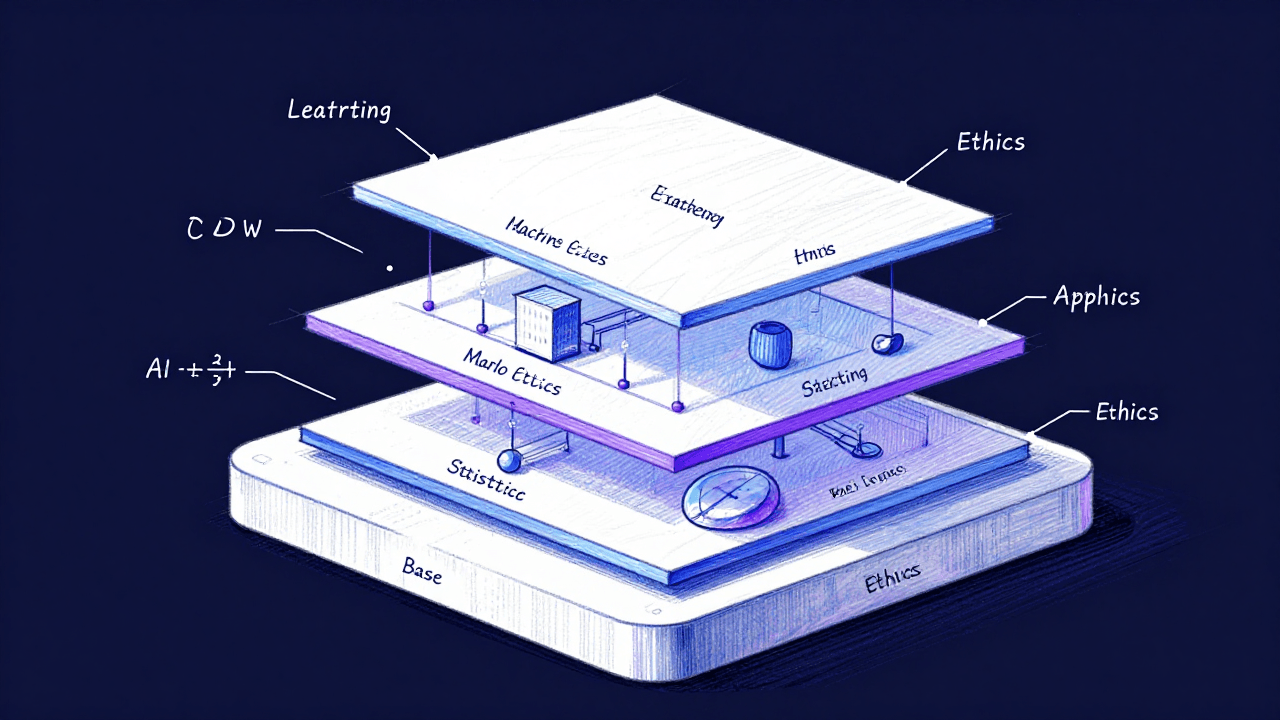
- Key Change: AI has officially upgraded from a 'graduate specialization' or 'short-term certificate' to an undergraduate major, with a four-year systematic curriculum covering mathematics, programming, machine learning, ethics, and more.
Analogy: Previously, learning AI was like getting a driver's license—take a crash course and hit the road. Now, it's like studying automotive engineering—learning principles and design systematically. The result is greater individual capability gaps, but overall industry talent quality improves.
Plain-English Breakdown: AI Coach vs. AI Engineer
Over the past year, the AI training market has been hot, but most courses are a few weeks or months long and focus on tool usage. A bachelor's degree, however, means:
- Systematic Curriculum: Linear algebra, probability and statistics, algorithms, deep learning, data ethics... building a solid foundation.
- High Time Commitment: Four years of full-time study, not just weekend classes.
- Credential Barrier: 'Formal education background' becomes a screening tag for HR.
Comparison Table:
| Dimension | Traditional Training | AI Bachelor's Degree |
|---|---|---|
| Duration | A few weeks to months | 4 years |
| Depth | Focus on tool usage | Theory + practice + ethics |
| Credential | Corporate/institutional certificate | National degree |
| Cost | Hundreds to thousands of USD | Tens of thousands USD (tuition + living) |
| Talent type | AI application operator | AI system designer/researcher |
Impact by Group: Where Are Your Opportunities and Risks?
Working Professionals:
- Pro: Demand for AI-related jobs will continue to grow. New graduates fill entry-level roles, while management positions remain scarce.
- Con: Non-degree job seekers become relatively less competitive, especially for junior data analysis and model tuning positions.
- Advice: Don't panic, but strengthen industry knowledge and project experience to offset educational gaps.
Students:
- Pro: More formal AI learning paths; entering major AI companies right after undergraduate studies becomes possible.
- Con: AI majors might become oversaturated in four years; consider interdisciplinary fields like AI + healthcare.
- Advice: Interest is paramount; those with weak math foundations should think twice.
Creators / Ordinary Users:
- Pro: More professional AI tools emerge; understanding principles enables better application.
- Con: Technical barriers may rise; simple AI applications may be replaced.
- Advice: Learn basic knowledge; no need to pursue a degree.
Tech Industry:
- Pro: Improved quality of talent supply; AI product reliability increases.
- Con: University curricula may lag behind the market; graduates might lack practical skills.
Neutral Pros and Cons + Pitfall Avoidance: A Degree Is Not a 'Get Out of Jail Free Card'
Advantages:
- Systematic training reduces safety issues caused by 'self-taught' AI engineers.
- Promotes education in AI ethics and legal norms, reducing bias and misuse.
- Provides sufficient reserve talent for AI research.
Hidden Risks:
- University faculty may be insufficient; top AI professors are limited.
- Outdated curricula: AI technology evolves rapidly, undergraduate textbooks may become obsolete.
- Financial barrier: High tuition costs burden students and widen class divides.
Pitfall Avoidance Guide:
- When selecting a school, check curriculum update mechanisms (e.g., ≥20% annual iterations).
- Prioritize schools with industry-university partnerships (e.g., joint labs with tech giants).
- Don't mythologize degrees: ability matters more than certificate; continuous learning is key.
Humanistic Reflection: How Can Education Keep Up with Rapid Technology?
Historically, computer science took 30 years to evolve from 'typing training' to a university major. AI has covered similar ground in just a few years. But the more technology advances, the more it tests human judgment, creativity, and ethical sense—things machines can't easily replace. An AI bachelor's degree teaches not just coding, but also cultivates responsible 'AI citizens.' As education shifts from 'crash courses' to 'deep cultivation,' the best attitude for ordinary people is not anxiety, but maintaining a learning pace and finding a balance between technology and humanity.
Light Interactive Question
If you had four years and a tuition fund, would you choose to pursue an AI bachelor's degree, or spend the same time on AI projects plus certificates? Share your thoughts in the comments.