How to Buy SpaceX Stock? The Harsh Reality for Retail Investors After IPO
SpaceX surged on its first day of trading, but retail investors could hardly get IPO shares. This article provides a 3-step guide, two case comparisons, and one core risk to unpack the real path and harsh reality for retail investors to invest in SpaceX.
Did You Get SpaceX Stock?
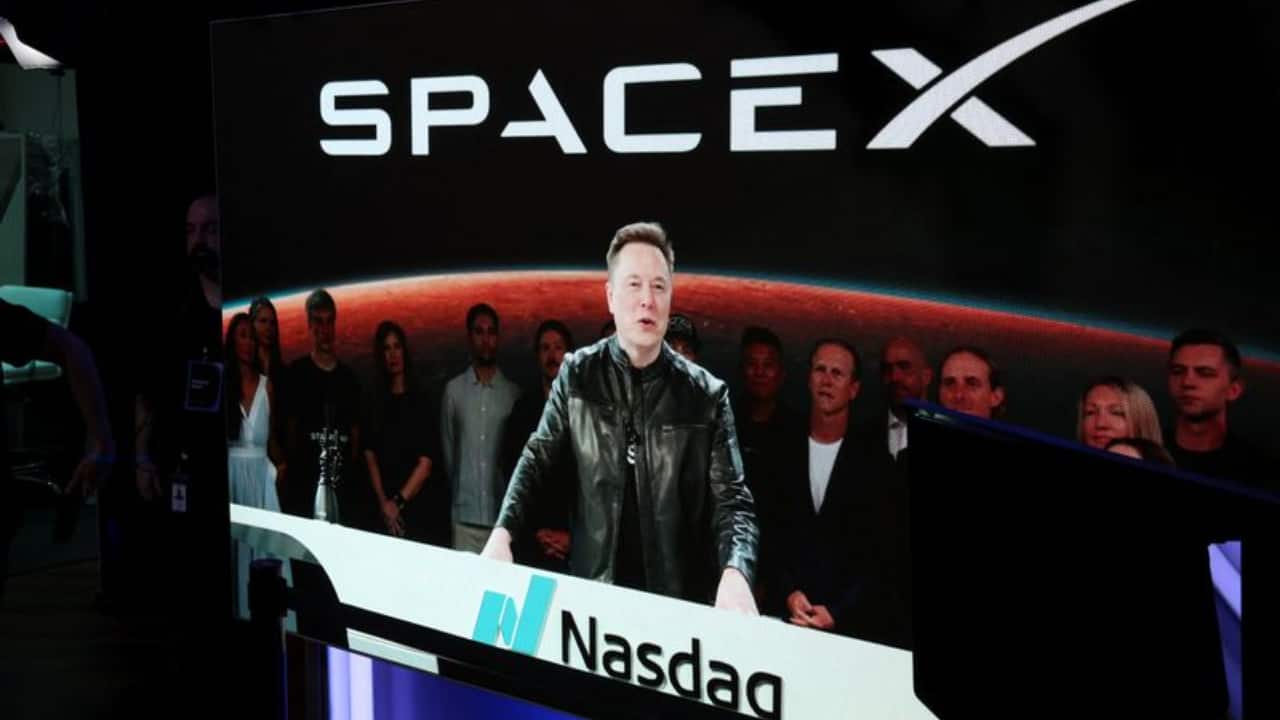
If you still think SpaceX hasn't gone public, you might have missed the most sensational IPO of 2026. On June 15, SpaceX listed on Nasdaq under the ticker SPCX at an IPO price of $135. It opened at $150 on the first day, hit $220 three days later, and soared to a market cap of $2.7 trillion, surpassing Amazon. Elon Musk also became the world's first trillionaire. But here's the question: Did ordinary investors get the stock? The answer might be disappointing.
Step 1: Understand the IPO Allocation Mechanism
SpaceX opened at $150 on its first day, an 11.1% gain from the IPO price. However, according to CNBC, retail investors received "meager" allocations. Most IPO shares were snapped up by institutions and large accounts, with oversubscription exceeding 50 times. Many brokerages directly notified clients of "zero allocation." Even if you camped at your broker, you'd hardly get shares at the IPO price.
Step 2: Secondary Market Purchase – Premium and Liquidity Trap
If you missed the IPO, you can only buy from the secondary market. But the opening price already includes a market premium. At the first day's closing price of $150, the cost is $15 higher than the IPO price. More tricky is that SpaceX has a limited free float, wide bid-ask spreads, and low liquidity. You need to open a US stock trading account and place market orders during trading hours, but you may encounter slippage.
Step 3: Alternative Channel – Pre-IPO Trading Platforms
Before the IPO, platforms like EquityZen and Forge Global offered SpaceX shares at an equivalent of $80–120 per share. But after the IPO, platform prices quickly converged with exchange prices, showing a clear premium. If you bought at $120 pre-IPO and sold at $220, you'd gain 83%. However, these platforms come with lock-up periods, transfer restrictions, and counterparty risks; you may not be able to sell in time.

Case Comparison: Different Fates of Xiao Zhang and Xiao Liu
Case A: Xiao Zhang (Conservative) bought 100 shares via private placement at $120 before the IPO, investing $12,000. Three days after listing, the stock hit $220; he sold and made $10,000 profit, a return of 83%. However, he had to bear a lock-up period and counterparty risk from the platform.
Case B: Xiao Liu (FOMO) bought 100 shares at the opening price of $150 on the first day, investing $15,000. Three days later, the stock reached $220, giving a paper gain of $7,000, a 47% return. But he didn't sell; a week later, the stock pulled back to $180, leaving a paper gain of only $3,000. He faced greater volatility risk.
Comparing the two, early private placement yields higher returns but also higher thresholds and risks; buying in the secondary market at a peak can easily lead to being trapped.
Risk Warning: Pullback Under High Valuation
SpaceX's $2.7 trillion market cap is based on Starlink's cash flow and Starship's monopoly expectations. However, historical data shows that after a big IPO's first-day surge, a pullback typically occurs within 3–6 months. For example, Arm rose 25% on its first day but later fell back to the IPO price. SpaceX could also face headwinds like Starship test failures or competitor catching up. Retail investors need to beware of buying at the top.
Key Takeaways for Today
- SpaceX has gone public, opening at $150 on the first day and rising to $220 within three days.
- Retail investors can hardly get IPO shares; they can only buy at a higher price in the secondary market or position early via private placement platforms.
- Secondary market costs are higher, with liquidity risk and pullback risk coexisting.
- Compare two cases: early private placement yields high returns but high barriers; chasing highs in the secondary market brings short-term paper gains but easy reversals.
- Final advice: If you really want to buy, set a stop-loss and don't just see Musk's halo.