Do Robots Have a 'GPT Moment'? Why Real-World Alignment is the Hardest Part
Unitree Robotics founder Wang Xingxing argues that embodied AI has crossed its 'GPT moment.' But the real challenge isn't making robots smarter; it's aligning their digital logic with physical reality.

What Is a Robot's "GPT Moment"?
At the 2026 World Physical AI Conference, Wang Xingxing, founder of Unitree Robotics (a leading Chinese robotics company), made a striking claim: embodied intelligence has already crossed its "GPT moment."
In simple terms, the "GPT moment" refers to the tipping point where AI evolves from merely understanding language to possessing general-purpose comprehension. For robots, this means they are no longer just mechanical arms executing pre-set code. Instead, they are beginning to handle unfamiliar scenarios with a degree of versatility.
Wang provided specific metrics for this milestone: in roughly 80% of unknown environments, a robot can successfully complete about 80% of primary tasks when given voice or text instructions.
Think of it like a new employee who hasn't done your specific job before but can handle most basic tasks using common sense and logic. This capability marks a critical step from "specialized tools" to "general assistants."
Why Are Robots Experiencing an "Emergence"?
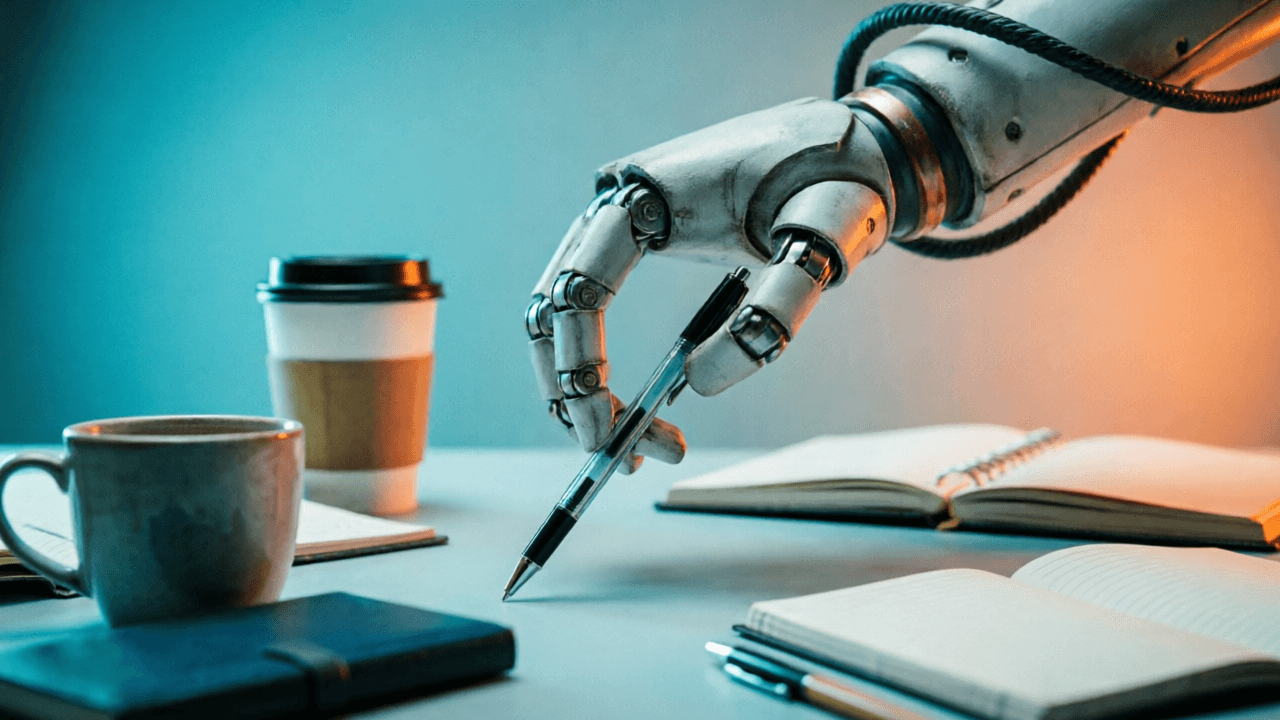
Many people wonder why the robotics field is suddenly seeing a burst of capabilities similar to the "emergent abilities" seen in large language models (LLMs).
This is closely tied to the reuse of underlying technologies. Today's large models have already shown strong capabilities in planning and navigation. These techniques, originally designed for the digital world (like chatting or coding), are now being transferred to the physical world. When model scale reaches a certain threshold and data becomes sufficiently rich, robots may exhibit generalization abilities that exceed expectations.
To put it another way, this isn't magic—it's the inevitable result of data and computing power. As Wang noted, with the release of frontier models like GPT-6, physical AI is showing signs of breaking through barriers. This "breakthrough" means the tedious process of programming every single scenario individually is gradually being replaced by general perception and decision-making models.
The Core Challenge: Aligning Models with Reality
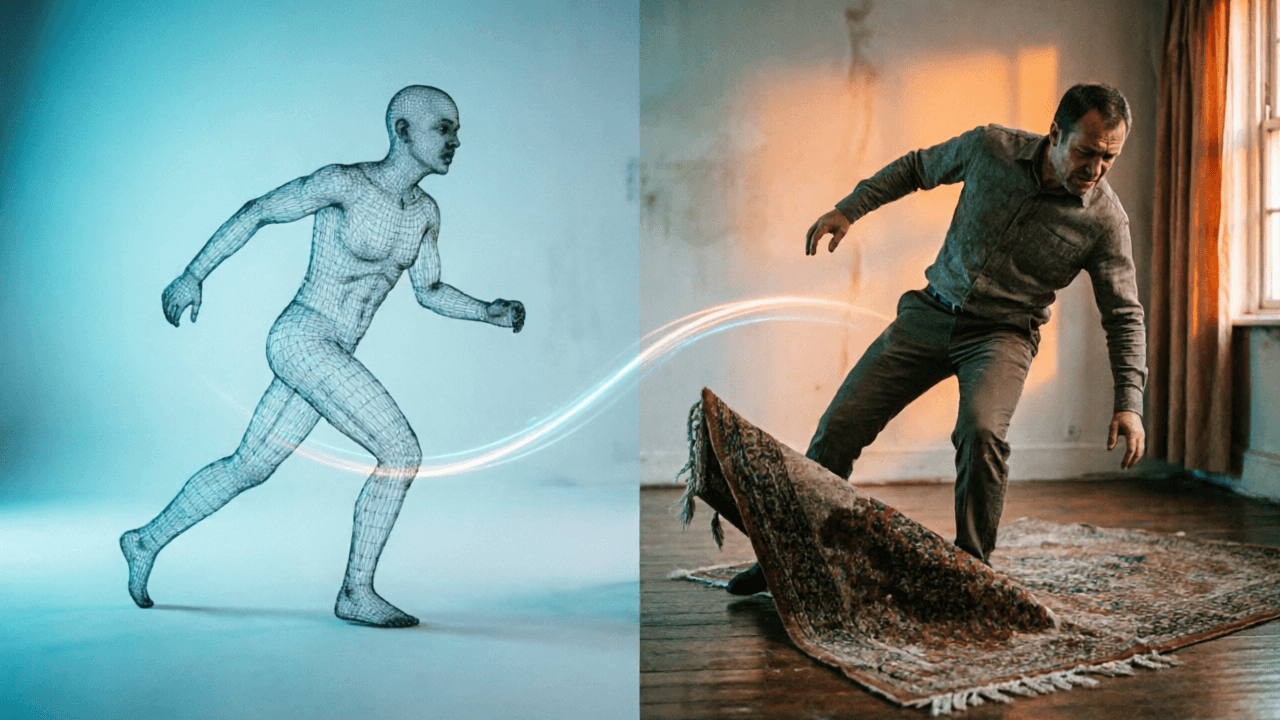
Despite the promising outlook, Wang also pointed out the biggest current hurdle: the alignment between AI model inputs/outputs and the actual behavior of physical robots.
This is the trickiest part of embodied intelligence. In the digital world, if a model makes a mistake, you can simply regenerate the output. But in the physical world, if the model misjudges gravity, friction, or object hardness, the robot might fall over, crash into walls, or break items.
This means robots must not only "think" correctly but also "act" stably. This alignment involves complex sensor fusion, real-time control, and handling environmental uncertainty. Wang admits that currently, almost everyone—including himself—still underestimates the difficulty of AI integration. He predicts that in the next 1–3 years, solving this alignment problem will be the key bottleneck determining whether embodied intelligence can truly be deployed at scale.
Impact on Everyday Life and Future Outlook
How does this technology affect us?
First, the adoption rate of service robots may far exceed expectations. Once robots can handle tasks in 80% of unfamiliar scenarios, they will more easily enter unstructured environments like homes and hospitals.
Second, the supply chain is expanding rapidly. Reports indicate that Unitree's G1 robot has already produced approximately 10,000 to 20,000 units. Meanwhile, Tesla CEO Elon Musk expects to begin external deliveries of the Optimus robot by the end of next year. Additionally, domestic embodied intelligence chipmaker Huiyi Intelligent has raised over 2.5 billion RMB (approx. $350 million USD) in funding within the year, signaling accelerated capital inflow into this sector.
From an industry trend perspective, the second half of the embodied intelligence race is no longer about who is smarter, but who is more reliable. Reliability is the baseline for interacting with the physical world and the foundation of consumer trust.
It is worth noting that marketing claims about robots being "omnipotent" are often exaggerated. An 80% success rate implies a 20% failure risk, which may require human intervention in industrial or home settings. Therefore, in the short term, robots will serve more as "assistants" rather than "replacements."
Summary & Discussion
The "GPT moment" for embodied intelligence is not the finish line; it's the starting line. The real challenge lies in mapping virtual intelligence perfectly onto the rough reality of the physical world.
A one-sentence takeaway: Robots have crossed the GPT moment, but the hard part isn't getting smarter—it's learning not to trip up in the real world.
Discussion: If you had a robot at home that could handle 80% of household chores, what specific task would you want it to solve first? Dishes, mopping, or pet care? Share your priority list below.