He Xiaopeng Takes the Helm: 200-Day Sprint to Mass-Produce Humanoid Robots – A Cross-Border Engineering Battle
He Xiaopeng issued an internal letter, personally leading the robot business, setting Q4 2026 as the production milestone. This is not just a technological breakthrough but a bold attempt to replicate automotive manufacturing engineering experience in humanoid robots.
He Xiaopeng Takes Charge, Robot Production Countdown Begins
If you follow smart cars, you must recall the days before the 2018 launch of the XPeng G3, which He Xiaopeng described as "the toughest but most exciting time." Now he uses the same words for humanoid robots. Recently, He Xiaopeng issued an internal letter, announcing he would personally take over the robot business, stating, "The current stage is equivalent to the stage eight years ago when XPeng was about to complete its first car, the G3." He set a clear timeline: mass production of humanoid robots by Q4 2026, and bringing them into offline stores as shopping guides by Q1 2027. A 200-day sprint—mass production is no longer just a slogan.
Core Facts: Production in 2026, Store Deployment in 2027
Around June 2026, He Xiaopeng laid out two hard deadlines in his internal letter: Q4 2026 for humanoid robot mass production and Q1 2027 for robots to start working in offline stores. This means completing the entire chain from prototype to consumer product and service scenario deployment in less than a year. Unlike many players who only demonstrate in labs, XPeng requires robots not just to "move" but also to "work"—directly interacting with customers as shopping guides. This demands extremely high reliability, interaction capability, and cost control.
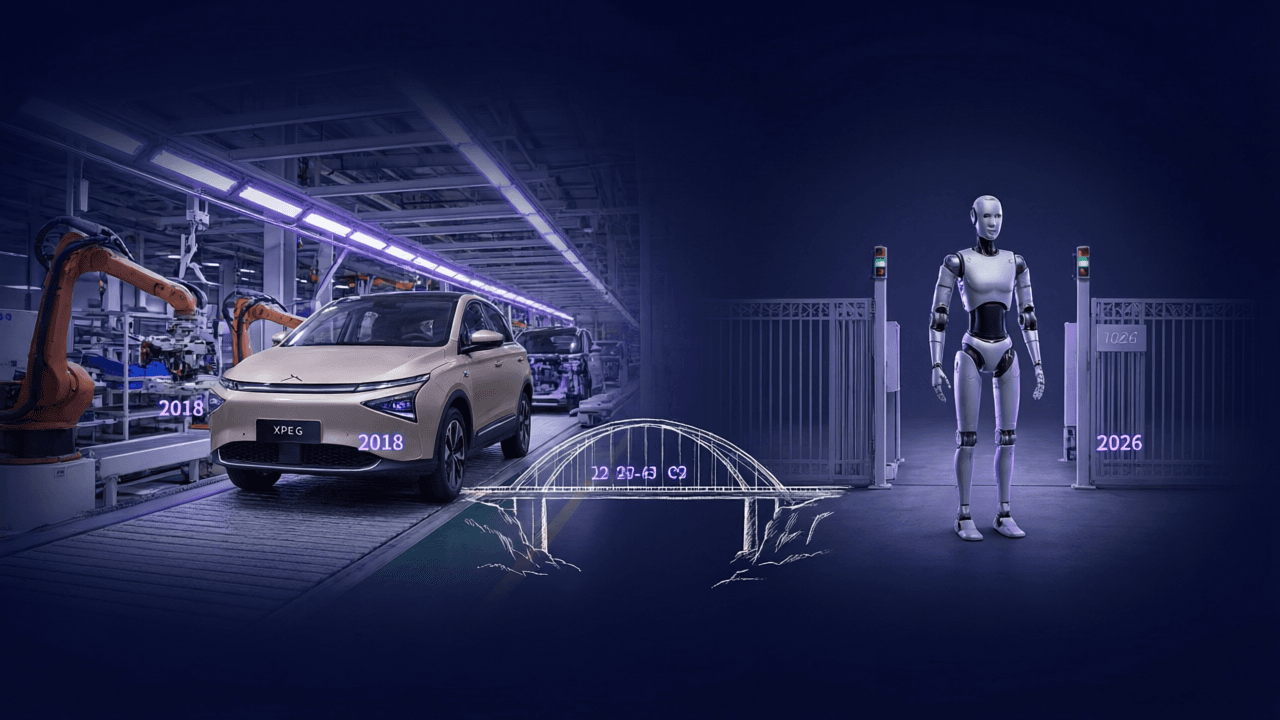
Layman's Explanation: "Transferring" Automotive Engineering Experience to Robots
Why is mass-producing humanoid robots difficult? Simply put, it faces two additional challenges compared to car manufacturing: First is the motion control of the "body"—bipedal walking, object grasping, requiring real-time balance and precise torque; Second is the decision-making ability of the "brain"—understanding human speech, perceiving the environment, planning actions. The supply chain management, lean production, and cost-control capabilities XPeng accumulated from car manufacturing can be reused. For example, XPeng's supply chain for car motors, reducers, and sensors can be slightly modified for robot joints; autonomous driving algorithms in cars can be migrated to robot navigation and obstacle avoidance. This saves a lot of infrastructure costs compared to startups starting from scratch. However, the hardware-software integration is much higher than in cars—cars have steering wheels and brakes, but humanoid robots must mimic every human movement.
Impact by Audience: Who Benefits, Who Should Be Cautious
Workplace professionals: Robot mass production will create new jobs such as robot system integration engineers, field deployment and debugging technicians, and remote operation and maintenance experts. However, standardized jobs like store shopping guides and patrol inspectors may be gradually replaced by robots. Students: Consider focusing on robot-related majors (mechatronics, AI, control engineering) with practical opportunities; the mass-production experience of companies like XPeng is a valuable learning sample. Creators: Documentary content around robot testing, store interactions, and production lines may become popular topics, but avoid overhyping "replacing humans." General users: You might see robot guides in XPeng stores by 2027, but initially they will likely handle simple Q&A and guidance, far from "all-around butlers." Don't blindly buy concept stocks; the production timeline may adjust due to technical hurdles.
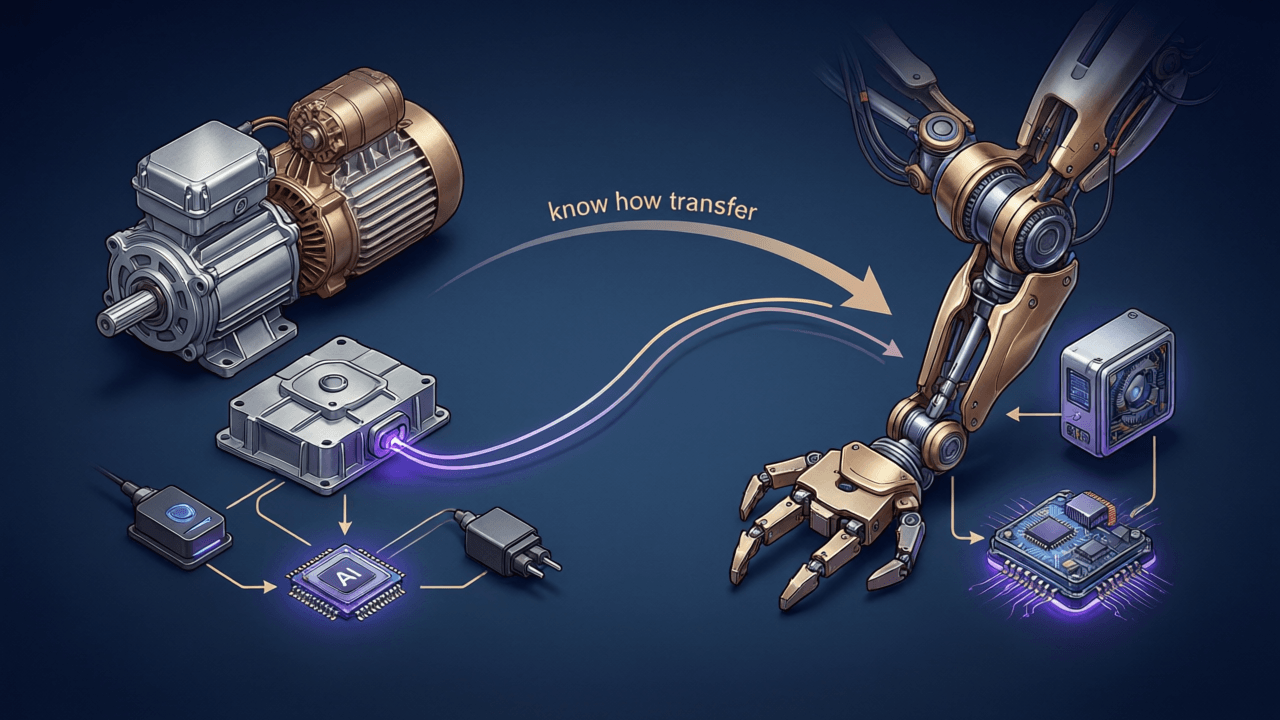
Neutral Pros and Cons: Engineering Advantages Are Clear, but Production Still Faces Uncertainties
XPeng's biggest advantage is engineering implementation capability. After eight years of car manufacturing, it has established a complete chain from R&D to manufacturing, delivery, and after-sales. This experience can directly reduce trial-and-error costs for transitioning robots from "sample" to "product." However, the disadvantages are equally clear: the core components of humanoid robots (such as dexterous hands, high-torque joints, real-time operating systems) have much lower technological maturity than cars, and the industry lacks unified standards. He Xiaopeng's personal leadership can focus resources quickly, but it also means his judgment becomes the biggest variable. Caution reminder: For ordinary investors, don't buy in just because of the word "mass production." Q4 2026 is only a target; delays are common in the robot industry. Watch whether the company controls costs and whether it exposes real problems during testing.
Humanistic Touch: The Engineering Faith of a Charge-Type CEO
He Xiaopeng said in his internal letter, "the final 200-day sprint," just like when he was building cars eight years ago. He chooses to stand on the front line at the most uncertain time—a kind of paranoia believing that "exertion" can shorten the distance to the technological finish line. But humanoid robots are not just another "product"; they touch on humanity's awe of simulating itself. A founder willing to bet his own time may strengthen the team's conviction more than any financing number. However, mass production is not the end; it is the starting point for robots to "learn" to serve humans in the real world.
Light Interactive Question
Do you think humanoid robots will first enter factory workshops on a large scale, or go into stores as shopping guides as XPeng envisions? If you could actually see a robot in a store by 2027, what would you expect it to help you with?