Harvard Launches AI Toy Study: What to Consider When Stuffed Animals Start Chatting
Harvard University recently launched a study on AI toys and child development. As generative AI enters children's bedrooms, how does it impact cognitive development and privacy? How should parents navigate this?

As AI Enters the Bedroom, Academia Hits "Observe"
Recently, a notable development occurred in the tech and education sectors: Harvard University officially launched a study on AI toys and child development. Meanwhile, schools in Florida are proposing "opt-in" rules for AI usage.
While one focuses on the home and the other on schools, both point to the same core issue: Generative AI is rapidly permeating the lives of minors, and we still know very little about its long-term impacts.
AI is no longer just a productivity tool on an adult's desk; it has become the teddy bear in a child's arms or the storytelling device on their nightstand. Academia and educational authorities are beginning to systematically examine this phenomenon to fill long-standing observational gaps.
"Active" vs. "Passive" Toys: Subtle Shifts in Cognition and Emotion
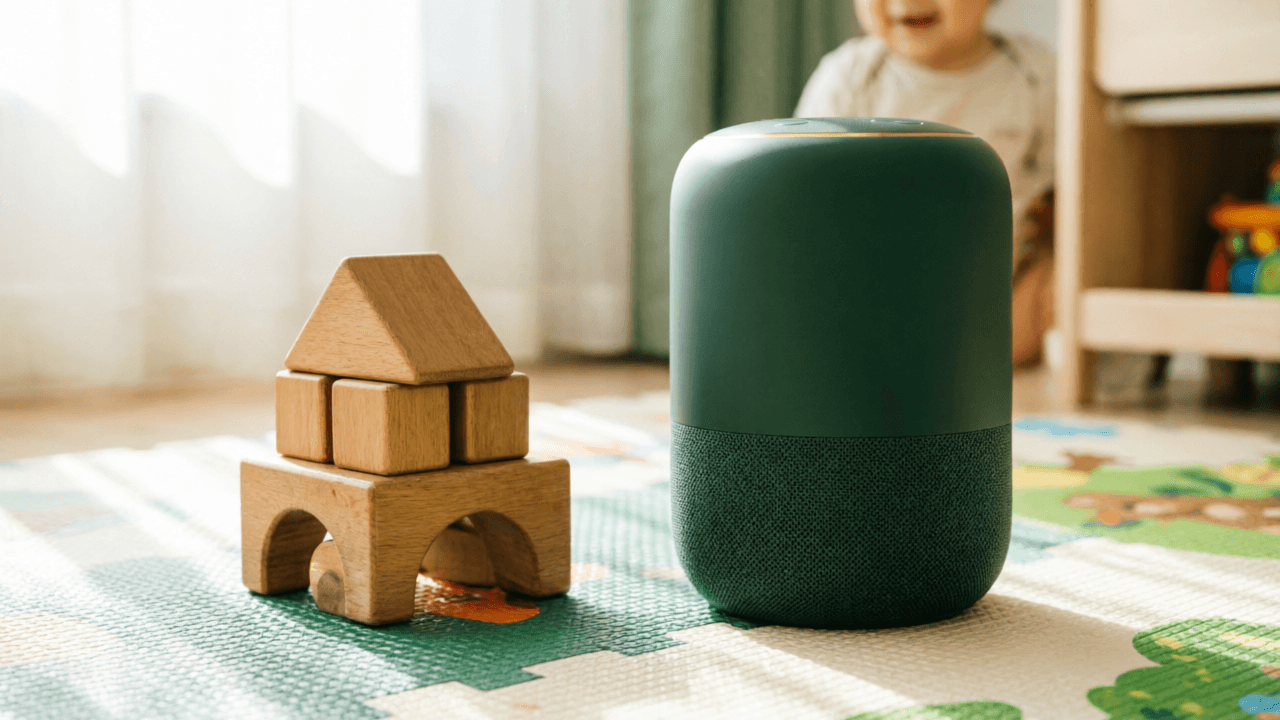
Traditional toys are "passive"—blocks are just blocks, and children breathe life into them through imagination. Today's AI toys are "active"—they can listen, speak, and generate new conversations based on a child's reactions.
Traditional toys are a canvas for a child's imagination, whereas AI toys act more like ready-made "playmates."
Consider a daily scenario: a five-year-old hugs an AI teddy bear and tells it about a classmate taking their turn on the slide at preschool. The AI bear not only comforts the child with a gentle voice but also guides them to express their emotions.
While this interaction sounds wonderful, from a child psychology perspective, children may develop an "emotional attachment" to an algorithm devoid of genuine feelings. They might mistakenly believe the machine truly possesses empathy, which could affect their ability to build complex social relationships with real humans in the physical world.
The Privacy Black Hole: Who Is Listening to Children's Whispers?
Beyond psychological development, data privacy is another unavoidable concern.
The reason AI toys can converse fluently is the massive cloud-based large language models powering them. This requires the toys to continuously collect children's voices, tones, and even conversation content.
When you buy an AI toy for your child, you are essentially placing an always-on microphone in their bedroom. How is this data—which includes children's voiceprints, personality preferences, and even family privacy—stored? Could it be used for targeted advertising? Currently, the privacy policies of many products remain vague and unclear.
Rules and Boundaries: Extending from Schools to Homes
When dealing with the impact of AI, the education sector often reacts earlier than families. Schools in Florida are proposing "opt-in" rules for AI use, meaning explicit consent is required before students can use AI tools.
Schools are building institutional firewalls, while the home environment, lacking unified regulation, has become a testing ground for the unchecked growth of AI products.
Looking back at history, from television and tablets to today's generative AI, every media iteration has sparked fears of ruining the next generation. However, the real challenge of AI toys is not machines replacing parents, but rather how they blur the social boundaries between the real and the virtual. TV is a one-way broadcast, tablets are interactive tools, but AI toys disguise themselves as people.

How Should Parents Respond?
Faced with an irreversible technological trend, outright confiscation or a completely hands-off approach are not ideal. Here are a few gentle and practical suggestions:
- Be a "co-player" rather than a "hands-off parent": Try to play with AI toys alongside your child. Observe if the AI's responses are appropriate and step in to guide the interaction when necessary.
- Physical power-offs and privacy settings: Turn off the device's microphone when not in use. Before purchasing, carefully review the product's privacy policy, and opt for brands that process data locally or commit to not collecting sensitive information.
- Distinguish between "machines" and "people": Clearly tell your child that the voice inside the toy is a computer program. It does not have real feelings, and true friends are real people in the physical world.
⚠️ Important Caveats to Keep in Mind
Never treat AI toys as "digital babysitters" or "therapists." No AI product can replace real human hugs and emotional feedback. Additionally, claims by some products on the market about "boosting IQ" or being "early education miracles" are mostly marketing jargon. Their long-term educational effects remain unproven, so parents should remain rational and avoid overestimating their capabilities. (Note: The above suggestions are for reference only and do not constitute professional medical or psychological advice.)
One-sentence takeaway to share: Harvard's AI toy study reminds us: AI can chat with kids, but it cannot replace real love and socialization. Keep the bottom line of privacy and companionship in your own hands.
Join the conversation: If you've bought a smart toy with voice interaction for your child, what kind of questions are you most worried it might answer? Share your real experiences or concerns in the comments.