Is the Endgame of AI Just Digging Dirt? How 'Compute Metals' Are Bottlenecking Artificial Intelligence
When we talk about large language models, we often overlook the physical foundation that supports them. 'Compute metals' like copper, tin, and tantalum are becoming the new bottleneck in the AI arms race, quietly affecting the cost of living for everyday people.
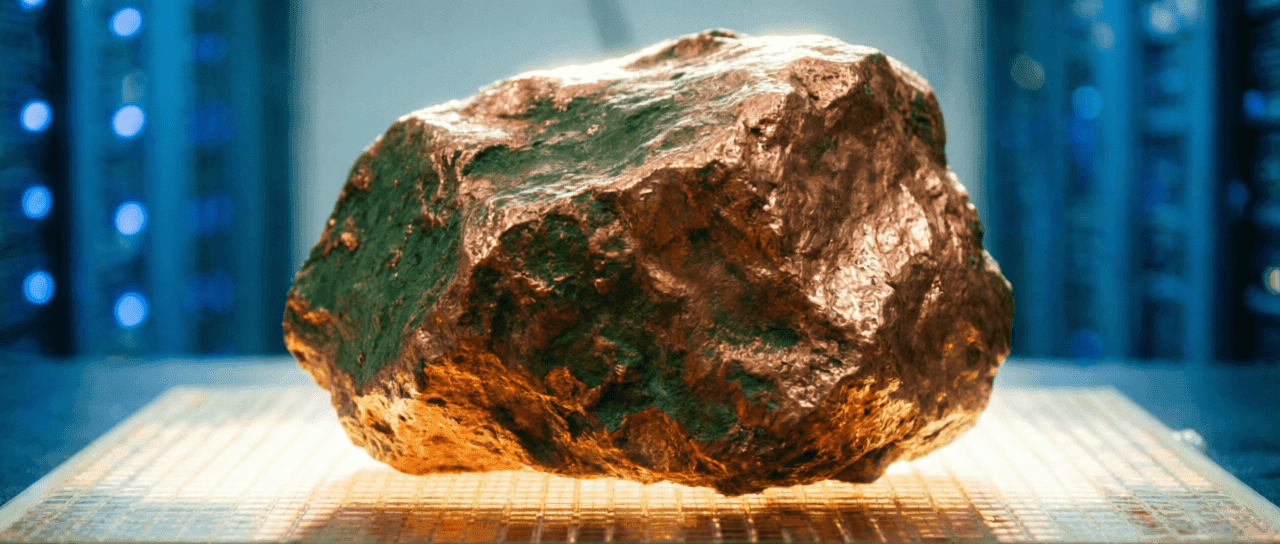
When we discuss large language models (LLMs) and generative AI, we often picture cool code and smart robots. In reality, what supports all of this is the dirt and ore buried deep underground.
Recently, the term "compute metals" has started appearing frequently in the tech industry. This breaks away from the usual narrative of chips and models, revealing the real physical bottlenecks behind the AI boom.
What's Happening: The AI Boom Ignites Demand for "Compute Metals"
As global AI companies continue to increase capital expenditures and invest heavily in AI infrastructure, supply-side tensions for compute metals are rising.
What are compute metals? The market collectively refers to non-ferrous metals like copper, tungsten, tin, and tantalum as "compute metals." They aren't used to write code; they are used to build data centers and chips.
The capital market's frenzy for AI infrastructure is evident. On August 7, Alphabet reportedly issued $25 billion in AI-related bonds, attracting roughly $115 billion in oversubscription. This massive influx of capital into infrastructure directly fuels a huge appetite for upstream materials.
Meanwhile, the fragility of the supply chain is becoming apparent. On August 6, driven by the Democratic Republic of the Congo (DRC) restricting copper concentrate exports, global copper prices hit new historical highs.
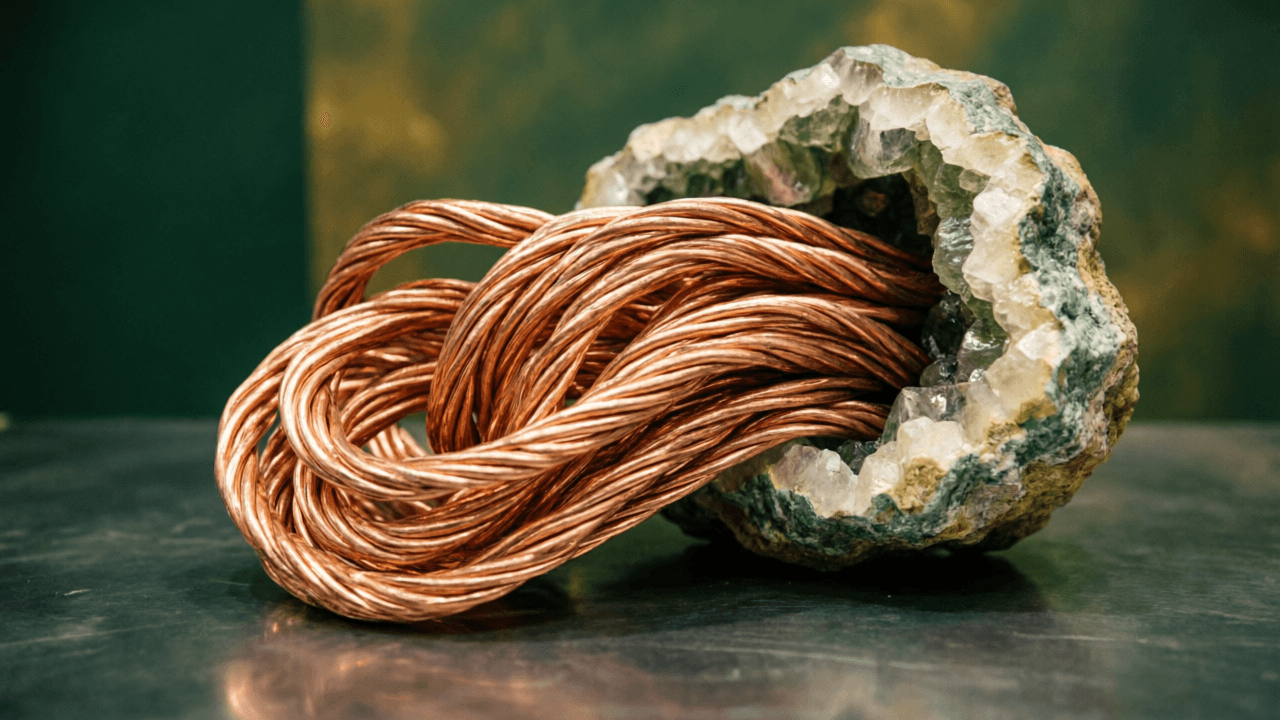
Why These Metals? The Physical Foundation of Virtual Algorithms
Simply put, every inference in the virtual world consumes ore from the real world. No matter how smart an algorithm is, it still needs physical hardware to run.
- Copper (The blood vessels of power transmission): AI data centers are notorious power hogs. Reports indicate that the surging water and electricity consumption of AI data centers in the US has even sparked public concern. Delivering massive amounts of electricity to servers is impossible without high-purity copper cables.
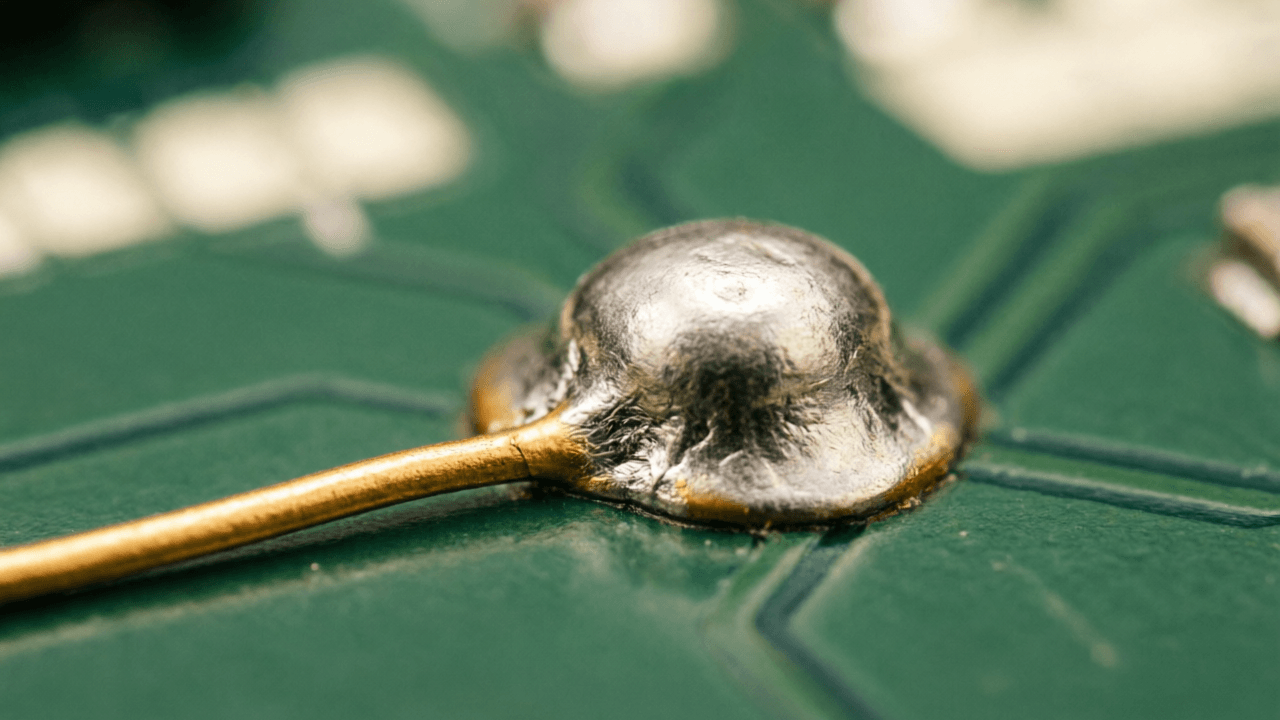
- Tin, Tantalum, and Tungsten (The skeleton and nerves of chips): In advanced packaging and chip manufacturing, tin is used for soldering, tantalum for high-performance capacitors, and tungsten for microscopic conductive pathways inside the chip. Without them, even the most advanced GPU is just a pile of useless silicon.
This means the upper limit of AI compute power depends not only on the ingenuity of engineers but also on the extraction speed of mines.
What Does This Mean for Everyday People? The Hidden Transmission of "Compute Inflation"
Many people think AI infrastructure is solely the business of tech giants and has nothing to do with them. That's not the case.
This means the AI boom could drive up the costs of basic industrial goods, creating "compute inflation." Metals like copper and tin are not just compute metals; they are the lifeblood of traditional industries. When tech giants sweep the global market for these materials, the costs for ordinary manufacturing are passively driven up.
Imagine a specific scenario: you are renovating a new home and go to a home improvement store to buy electrical wires and copper pipes, only to find prices have quietly risen by 15%. Your contractor helplessly tells you, "Data centers are being built all over the world for AI, and there isn't enough copper, so even household wiring is getting more expensive." This is the real-world transmission of compute demand into daily life. From electric vehicles to home appliances, anywhere copper is used, you might feel this "heatwave" from AI.
Physical Bottlenecks and Geopolitics: Future Competition Lies in the Mines
It's not just base metals; the entire physical AI supply chain is under pressure. Reportedly, NVIDIA is considering reducing the memory configuration of its next-generation GPU, Rubin Ultra, partly because it may not be able to secure enough advanced memory chips.
Looking back at history, every technological revolution reshapes the global resource landscape. In the electrification era, copper and rubber were strategic materials; in the information age, silicon and rare earths became the focus. Now, the "new oil" of the AI era has become compute metals.
In my view, future AI competition is not just about algorithms and talent, but also about "mining" and supply chains. As algorithms become increasingly open-source and model capabilities converge, whoever can stably secure cheap electricity, abundant water resources, and critical compute metals will have the last laugh in the AI arms race. This shift from the virtual to the physical will inevitably trigger a new round of global commodity supply-demand restructuring and geopolitical maneuvering.
How Should Everyday People View and Respond?
Facing this AI-driven resource restructuring, everyday people need to stay clear-headed.
It is crucial to avoid blindly speculating on the "compute metals" concept. Although copper prices have hit record highs, commodities are influenced by multiple factors, including macroeconomic conditions and central bank monetary policies (for instance, recent signals from US Federal Reserve officials indicating a tendency to raise interest rates to curb inflation). Do not blindly hoard physical metals or heavily invest in related stocks just because "AI needs copper"; investing based on such a single premise carries extremely high risk. (Note: Investment-related mentions are for informational purposes only and do not constitute professional financial advice.)
For everyday users, understanding the physical constraints behind AI helps us remain rational about the "AI can do anything" narrative. Technological development can never break free from the laws of physics and the limits of Earth's resources.
Shareable summary: The endgame of AI is not just code, but copper and tin; the surge in virtual compute power is reshaping the mining landscape of the real world.
Join the discussion: If the construction of AI data centers leads to higher electricity bills or renovation material costs for your home in the future, would you resent the development of AI technology, or do you see it as a necessary price for technological progress? Share your thoughts in the comments.