Back to articles
📁 AI news

The AI Consumer Era Arrives? How 17 New Policies Could Change Your Daily Life

China has introduced 17 initiatives to accelerate the integration of AI and consumer products, reshaping smart homes, travel, recommendations, and more. Ordinary people will enjoy smarter living, but must keep a critical eye on privacy and choice.

✍️Flower Claw Lab⏱️ 7 min read
The AI Consumer Era Arrives? How 17 New Policies Could Change Your Daily Life

Hook: Your Next Appliance Might Know You Better Than You Do

Imagine this: your electric car automatically avoids traffic jams, your robot vacuum adjusts lighting based on your mood, and your shopping app recommends dinner ingredients before you even ask. This isn't science fiction — China has just rolled out 17 new initiatives, officially elevating "AI + consumer" as a strategic priority. From policy to your wallet, how close is this transformation to everyday people?

Core Facts: The 17 Initiatives and Industry Signals

According to media reports, multiple Chinese government departments jointly issued a document to promote deep AI applications in consumer sectors, covering smart homes, smart travel, personalized recommendations, and more. Meanwhile, companies are already moving:

  • Aima launched the Heiyi brand, an AI-powered electric two-wheeler tailored for young men, featuring smart navigation and performance optimization.
  • NIO pushed its world model enabling the same autonomous driving code to run across different chip platforms, covering 14 vehicle models.
  • Dreame Technology is expanding its AI capabilities into outdoor yards, smart travel, and embodied intelligence. Policy and industry are resonating — AI consumption is no longer just a concept.

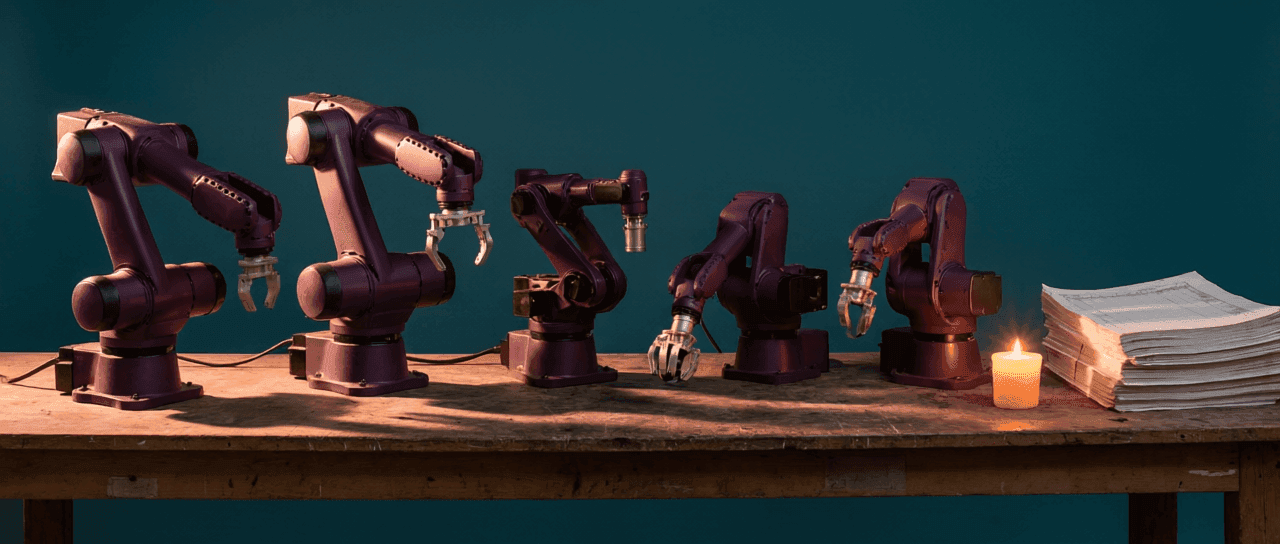
Concept illustration: AI consumer ecosystem from policy to daily life

Easy Explanation: How AI Sneaks into Consumer Scenarios

The essence of AI consumption is making products learn to "guess and fulfill your needs." For example:

  • Smart homes: Sensors + algorithms remember when you come home and your preferred temperature, adjusting the environment automatically.
  • Smart travel: Electric vehicles analyze road conditions via AI to recommend the best route or even adjust power output.
  • Personalized recommendations: E-commerce platforms use user profiles to predict needs, reducing search time. You don't need to understand code to enjoy these conveniences — it's like having a 24/7 butler.

Impact by Group: Who Benefits? Who Should Be Cautious?

  • Office workers: Commuting becomes more efficient (AI route planning), but there's a risk of personal data being collected by companies. Tip: Prefer products with clear privacy policies.
  • Students: AI learning tools can provide personalized tutoring, but beware of over-reliance. Tip: Treat AI as an assistant, not a replacement for thinking.
  • Creators: AI helps generate copy, design, and improve efficiency, but watch out for copyright issues. Tip: Learn prompt engineering actively and maintain creative control.
  • Ordinary users: Life becomes more convenient, but you might get trapped in an algorithmic echo chamber. Tip: Regularly explore new content manually.

Who should jump in? If you value efficiency and new experiences, try AI consumer products. If privacy or budget is a concern, wait for early user reviews.

Diagram: Workflow of AI consumer products

Balanced Pros/Cons + Avoidance Guide

Advantages:

  • Efficiency revolution: reduces repetitive tasks (e.g., smart home automation).
  • Precision matching: AI recommendations reduce choice anxiety (e.g., personalized shopping).
  • Safety improvement: smart driving assistance lowers accident risk.

Disadvantages:

  • Privacy risk: AI needs large amounts of personal data; leaks can be severe.
  • Algorithmic bias: recommendations may solidify interests, reducing serendipity.
  • Dependency cost: high-end AI products are expensive and require continuous network support.

Avoidance tips:

  • Don't blindly chase novelty: wait for third-party reviews and professional certifications (e.g., "AI product reliability" rankings).
  • Control your data: read privacy agreements, disable unnecessary permissions.
  • Keep human backup: for important decisions (investment, health), rely on human judgment.

Light Humanistic Reflection: No Matter How Smart Tech Gets, Remember Human Agency

The popularization of AI consumption is essentially the ultimate attempt to "make machines adapt to humans." But history shows that every technological leap comes with adaptive pain — from electric lights to smartphones, we learned to use tools without being controlled by them. The 17 initiatives are a push, but ultimately the choice is yours: whether to treat AI as a servant or a master depends on your self-awareness.

Light Interactive Question

What daily hassle do you most hope AI can solve? Auto-planning travel routes, or smart afternoon tea recommendations? Feel free to share in the comments — maybe your need will inspire the next hit product.

Share Article