The "Invisible Foundation" of AI Compute: Why Looms Are a Bottleneck for Tech Giants
The AI arms race is driving a massive build-out of compute infrastructure, but a critical material supporting AI servers is a type of "cloth." What's behind the surging demand and supply chain dynamics of electronic-grade fiberglass?
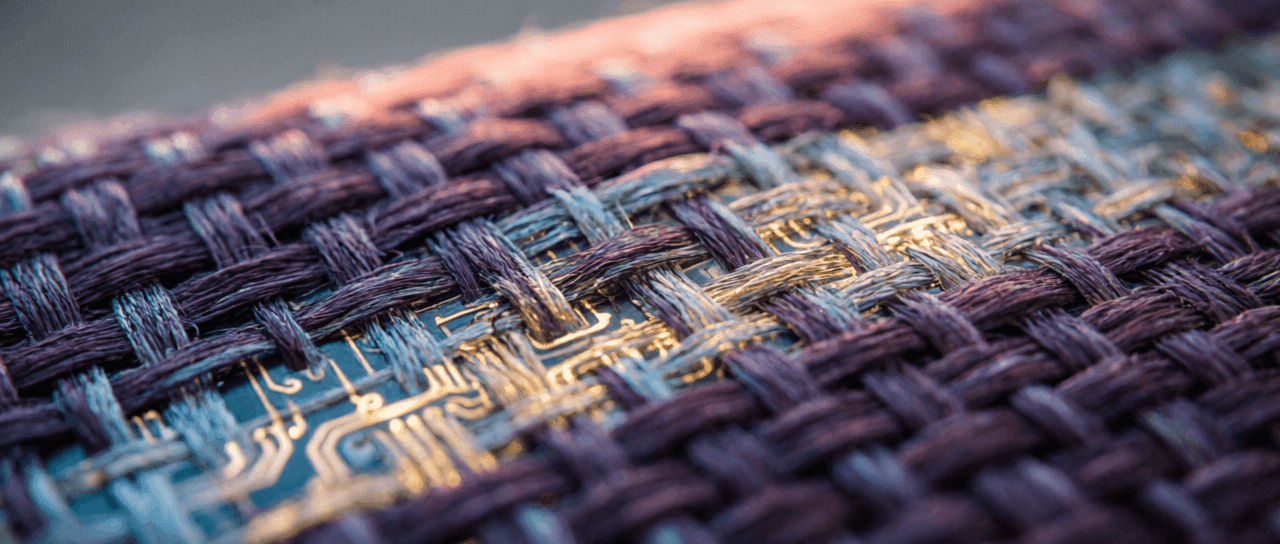
What's Happening? The AI Boom is Driving Demand for "Looms"
Recently, the global AI large language model (LLM) race has entered a fiercely competitive phase. Anthropic reportedly signed a $10 billion compute agreement, and CoreWeave announced the construction of three new data centers in Indonesia. Tech giants are aggressively expanding their compute infrastructure.
Unexpectedly, this boom has fueled a seemingly un-tech industry: textiles. Market data shows that in the first half of this year, the electronic cloth (electronic-grade fiberglass) industry—particularly in major manufacturing hubs like China, which dominates global printed circuit board (PCB) production—experienced a surge in both demand and prices. Not only have product prices risen significantly, but industry inventory remains critically low. More surprisingly, the supply of the specialized looms used to weave this cloth is also severely constrained, leading to strong earnings forecasts for leading manufacturers. This high-demand cycle is expected to last through the end of the year.
Simply put, compute power isn't just about chips; it's fundamentally about base materials. While everyone is focused on NVIDIA's GPUs, the real bottleneck might be hiding upstream in the weaving looms.
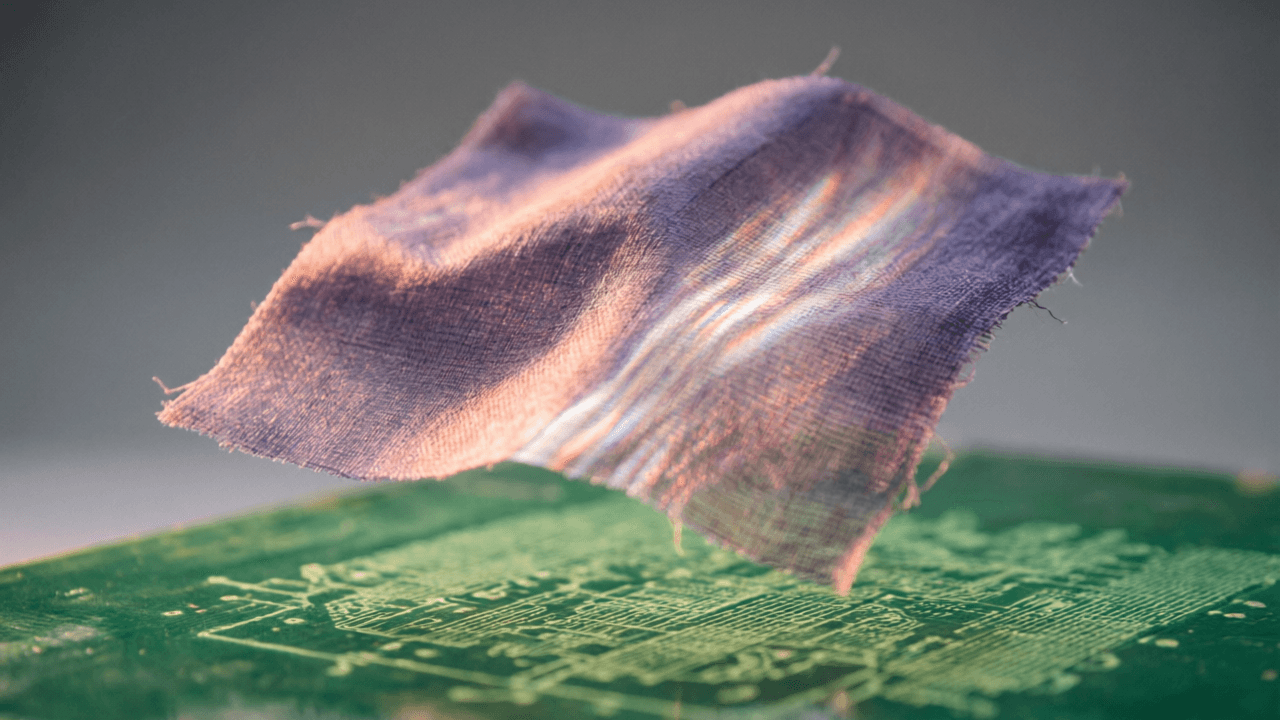
What is Electronic Cloth? The "Steel Rebar" of AI Servers
Hearing "electronic cloth," many might assume it's a special fabric for clothing. In reality, its full name is electronic-grade fiberglass cloth.
Think of it like constructing a building: skyscrapers need steel rebar and concrete for structural support. Similarly, when manufacturing high-end PCBs for AI servers, electronic cloth acts as that "steel rebar." It is soaked in resin, pressed into Copper Clad Laminates (CCL), and ultimately fabricated into circuit boards.
This means that no matter how powerful a chip is, if the circuit board carrying it cannot withstand high temperatures or maintain stable signal transmission, the entire server will fail. AI servers run at extremely high temperatures under full load and must process massive amounts of high-frequency signals. Relying on its excellent insulation, heat resistance, and dimensional stability, electronic cloth serves as the "invisible highway" ensuring high-speed, stable signal transmission. Without this layer of cloth, even the smartest AI brain would "short circuit."
How Does This Affect Everyday Consumers? The "Butterfly Effect" from Phones to Cars
You might ask: I'm not buying servers, so how does this affect me?
Imagine this scenario: you've pre-ordered the latest AI PC, or you're waiting for the delivery of a new electric vehicle (EV) equipped with an advanced autonomous driving system. The dealer tells you that due to a shortage of core components, your delivery will be delayed by another two months.
From a broader perspective, supply and demand mismatches in upstream materials eventually ripple down the supply chain. While everyday consumers don't buy electronic cloth directly, high-end consumer electronics and smart EVs also require massive amounts of high-end PCBs. When AI servers absorb the upstream production capacity for electronic cloth, the material supply for standard consumer products gets squeezed. Longer delivery times for your digital devices, or hidden price hikes due to rising costs, can all be traced back to the hidden impact of these base material capacity constraints.

A Word of Caution: The "Capacity Bottleneck" Behind the Boom
Facing the surge in electronic cloth demand, the core issue here isn't just skyrocketing demand, but supply rigidity caused by an "equipment bottleneck."
Industry analysis points out that "loom supply remains tight" and "there are significant bottlenecks in releasing new production capacity." Manufacturing high-end electronic cloth requires highly precise, specialized weaving looms, and the production and calibration cycles for such equipment are exceptionally long. This means that even if manufacturers want to expand capacity, they are stuck if they cannot acquire the necessary machinery.
It is crucial not to confuse an industry boom cycle with guaranteed investment returns. Looking back at the global renewable energy and EV supply chains over the past few years—from solar polysilicon to lithium carbonate for batteries—we've seen the complete cycle of "demand explosion -> capacity bottleneck -> price surge -> aggressive expansion -> overcapacity." If the production capacity for specialized looms increases significantly in the future, or if the growth rate of AI compute infrastructure slows down, whether the high prices of electronic cloth can be sustained remains to be seen. (Note: The industry cycle analysis mentioned is for educational purposes only and does not constitute professional investment advice.)
How Should We View This?
Facing these underlying fluctuations in hard tech, there is no need for anxiety, but we can develop a "see-through" perspective on technology.
The next time you see tech giants releasing AI models with trillions of parameters, beyond marveling at the brilliance of the algorithms, we can also reflect on this: inside those massive, cold data centers, countless weaving looms are operating day and night, using one of humanity's most traditional crafting techniques to support our most cutting-edge digital future.
One-sentence takeaway to share: The ultimate bottleneck of AI compute isn't just chips, but foundational materials; the supply and demand dynamics of electronic cloth are quietly influencing the delivery and pricing of smart devices.
Discussion: Have you ever experienced a situation in your work or daily life where a shortage of a seemingly "insignificant small part" bottlenecked an entire major project or product? Feel free to share your story in the comments.